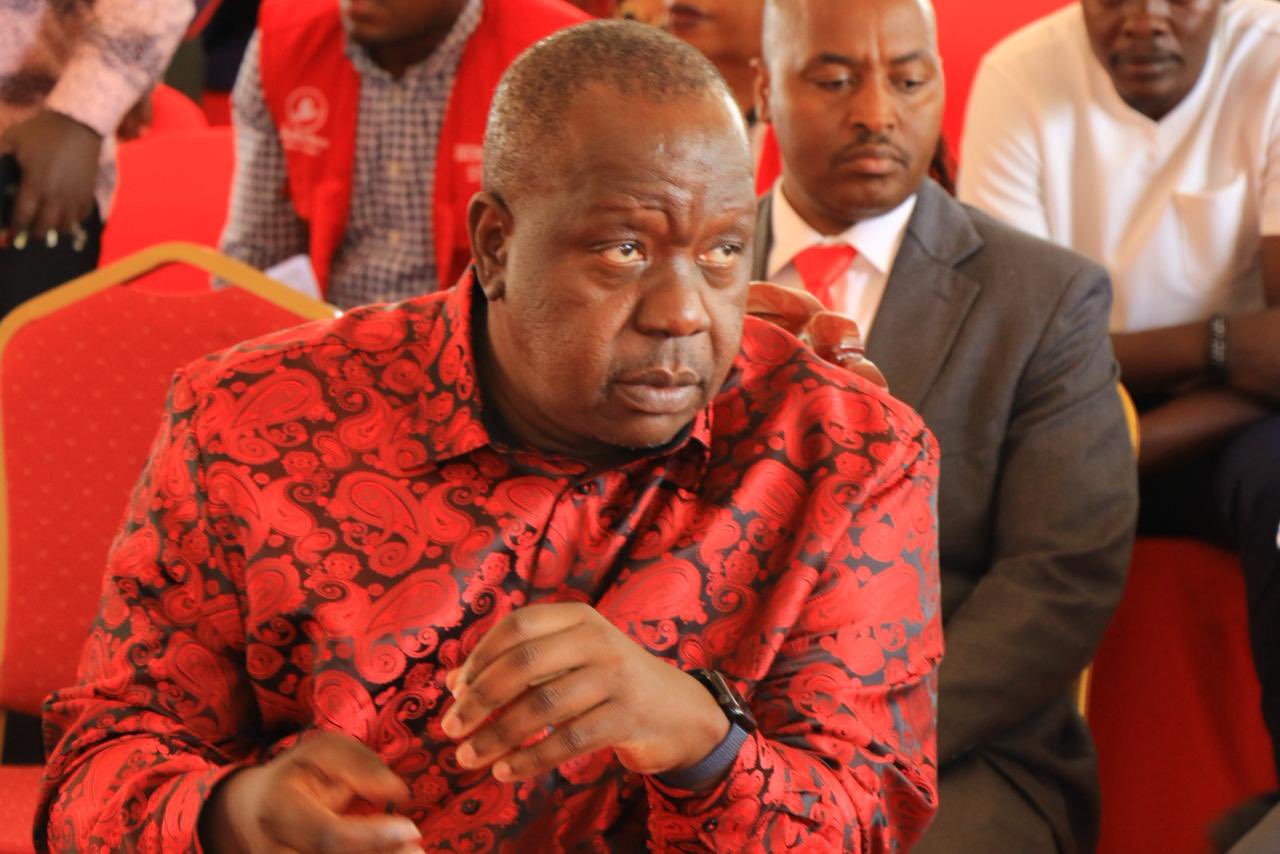
Former Interior Cabinet Secretary and presidential hopeful Fred Matiang’i has criticised the government’s handling of Kenya’s fuel crisis, blaming opaque agreements and cartel influence for soaring prices affecting millions of citizens.
Speaking during an interview on Citizen TV on April 19, 2026, Matiang’i argued that the current situation is largely “man-made” rather than driven by global factors.
“I honestly cannot blame the challenges we are facing right now on what’s going on in the Middle East. Some of this is man-made. It’s because of how we are engaging and how we are dealing with that sector,” he said.
He took aim at the government’s fuel import arrangements, particularly the so-called government-to-government (G2G) deal, which he described as lacking transparency.
“I would not get into some silly opaque agreement… I will not engage and allow cartels to operate in the sector as they are operating right now,” he stated, accusing “vested interests by the ruling elite” of influencing the system.
Matiang’i questioned why the agreement had not been made public, challenging the administration to disclose its details.
“If they think everyone else is wrong in raising issues about the agreements they have signed, why don’t they publish it?” he asked. “What is so difficult about publishing that agreement and explaining to the people of Kenya?”
The former minister also criticised the role of private firms in fuel importation, arguing that the state-owned National Oil Corporation of Kenya (NOCK) should be leading efforts to stabilise the market.
“NOCK was created specifically to address these issues of mediating and stabilising the oil marketing sector in times like this,” he said.
While acknowledging that the government has spent billions on subsidies and reduced VAT on fuel, Matiang’i questioned the sustainability of such measures.
“Whether or not they bring the VAT down… they’re going to have to spend more money because the prices are not going to stabilise completely for a while,” he noted, adding that reliance on the oil stabilisation fund could persist.
His remarks come as President Ruto offered a contrasting perspective, linking fuel pricing to Kenya’s economic status and infrastructure demands.
Speaking during a church service at the Karen AGC Church in Nairobi on Sunday, he pointed to Kenya's road network as the primary reason fuel costs more in Kenya than elsewhere in the region, saying the country's development status and heavy road infrastructure investment make comparisons with the region unfair.
“Kenya is a middle income country… compare Kenya with other middle income countries,” Ruto said, arguing that price differences with neighbouring countries are partly structural.
“Our fuel supports transport infrastructure… we have 20,000 kilometers of tarmac to maintain, and we have 6,000 kilometers under construction,” he added.
Drawing from his experience in government during the 2021 global oil price surge linked to the Russia-Ukraine conflict, he said previous administrations had taken more transparent and targeted steps, including subsidies, to cushion consumers.
Matiang’i outlined his alternative approach, saying he would scrap the current arrangement and strengthen state oversight.
“If I was president today, I would revamp NOCK and ensure it is doing its rightful role,” he said, adding that “private sector companies and cartels… will not be involved.”
He called for greater accountability, arguing that Kenya needs “more responsible leaders” willing to openly address public concerns about the economy.































Comments
Sign in with Google to comment, reply, and like comments.
Continue with Google